
A Haussmannian apartment with single-glazed windows, an energy performance rating (DPE) of F, and an aging gas boiler: this is the starting point for many renovation projects in Paris today. The problem is no longer just about aesthetics or comfort. It’s the regulations that dictate the timeline, and public assistance that tightens when it’s needed the most.
DPE, rental bans, and gas heating: what changes concretely for renovating in Paris
Since January 1, 2025, properties rated G can no longer be offered for rent in metropolitan France. For a Parisian landlord, this deadline is no longer theoretical. It directly affects the marketability of the property.
The conversion coefficient of electricity to primary energy has changed from 2.3 to 1.9 as of January 1, 2026. In practice, some apartments heated by electricity see their DPE rating improve without any work being done. Therefore, one might find themselves reevaluating a DPE before starting a project, simply because the calculation has changed.
On the co-ownership side, buildings with 50 units or fewer must have conducted a collective DPE since January 1, 2026. Larger co-ownerships will follow in 2027 and then 2028. This means that renovation decisions that were previously individual choices are now subjects for general assembly meetings, with the delays that this entails.
A renovation company based in Paris, like the one found at nouvelle-dimension.fr, intervenes early to align the technical diagnosis of the property with regulatory constraints before proposing a work program.
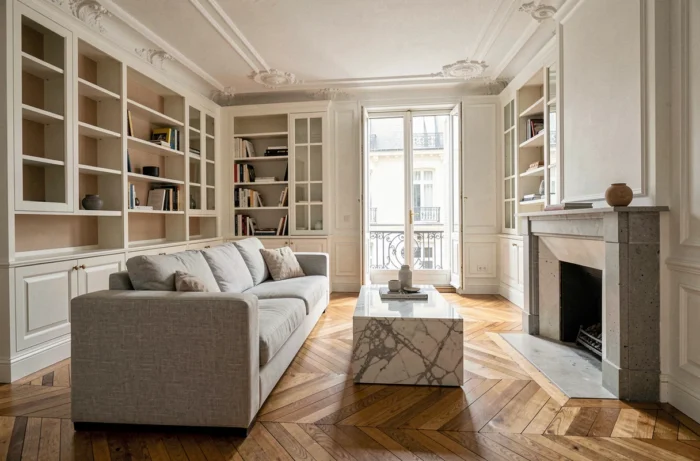
Apartment renovation in Paris: balancing work when assistance tightens
Starting in September 2026, a large-scale renovation project can no longer retain gas heating to remain eligible for assistance in certain cases. Several isolated actions (replacing windows alone, installing a thermodynamic water heater without a bundle of work) also fall outside financing schemes.
The focus shifts towards comprehensive renovations, not isolated interventions. A landlord who planned to change their windows one year and then insulate the walls the following year loses access to MaPrimeRénov’ for each action taken separately.
In practice, we observe three common decisions on Parisian construction sites:
- Combining thermal insulation, heating system replacement, and ventilation in the same project to remain eligible for assistance and increase the DPE class jump.
- Anticipating the exit from gas by integrating an air-water heat pump or a high-performance electrical system from the design phase, even if the gas connection is still functioning.
- Conducting an energy audit before the work to identify areas that generate the best cost/performance gain ratio, rather than renovating by habit (bathroom first, insulation later).
In co-ownership, the difficulty increases. Work on common areas (facade insulation, replacement of the collective boiler) requires a vote in the general assembly. A single owner cannot decide to insulate the exterior of a Parisian building, even if their apartment is rated F.
Interior renovation in Paris: technical aspects not to underestimate
When talking about transforming an interior, we often think of kitchens, bathrooms, and coverings. On the ground, the issues that cause the most problems are rarely those.
Electricity and plumbing in older buildings
A Parisian apartment built before the 1970s often has an undersized electrical network for current uses. Switching from gas heating to an electrical system requires upgrading the electrical panel and sometimes the connection to the grid. This is an aspect that many interior renovation quotes do not detail enough.
The same goes for plumbing. The rising columns made of lead or galvanized steel, still present in many buildings, complicate the renovation of a bathroom or kitchen. Feedback varies on this point depending on the actual condition of the pipes, but a prior diagnosis avoids unpleasant surprises during the project.
Access constraints and construction logistics
In Paris, logistics weigh heavily on the budget. Lack of an elevator, narrow staircases, inability to park for material delivery: these constraints extend the timeline and increase labor costs. A renovation company familiar with the urban fabric of Paris incorporates these parameters from the quote, whereas a less experienced contractor discovers them during the project.
Choosing a renovation company in Paris: the criteria that matter on site
The Paris market has hundreds of service providers. Here’s what distinguishes a reliable company from one that disappears after the first deposit:
- RGE certification (Recognized Guarantor of the Environment): without it, the client loses access to assistance for energy renovation. This should be verified on the official site, not on the commercial brochure.
- Valid ten-year insurance, verifiable by a dated certificate from the current year. On an apartment project, an inadequately covered water damage can cost more than the renovation itself.
- A single point of contact who follows the project from design to completion. On an interior renovation site in Paris, the coordination between plumber, electrician, plasterer, and painter determines adherence to the schedule.
- A detailed quote item by item, with referenced materials. A global “complete renovation” quote without breakdown often hides savings on the finishes.
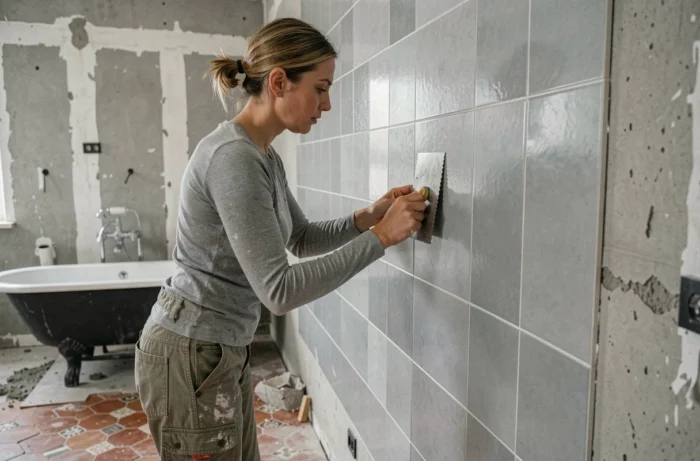
The choice of materials also deserves attention. Between tiles laid on a screed and tiles glued over an old covering, the final appearance and durability differ significantly. A good quote specifies the installation method, not just the product.
Renovating an apartment in Paris is no longer a purely aesthetic project. Between regulatory deadlines on the DPE, tightening public assistance, and the technical constraints of older buildings, every decision regarding work involves a financial and energy trade-off. It’s better to do this with a company that understands these parameters than to discover them once the project is underway.